
About ILA
Who We Are
An independent, non-profit, non-governmental and non-political civil society organisation working to make justice accessible to every person in South Sudan.
- Legal status
- Independent National Non-Governmental Organization (NGO)
- Country of registration
- Republic of South Sudan
- Year established
- 2021
- Operational coverage
- National (Republic of South Sudan)
The organisation
A professional platform for justice, rights and accountable institutions
The Initiative for Legal Aid (ILA) is an independent, non-profit, non-governmental, and non-political civil society organization established to advance access to justice, promote and protect human rights, strengthen the rule of law, and contribute to democratic governance and sustainable peace throughout the Republic of South Sudan.
The organization serves as a professional platform for legal assistance, policy advocacy, institutional strengthening, and community empowerment, working to ensure that justice is accessible to all, particularly vulnerable and marginalized populations.
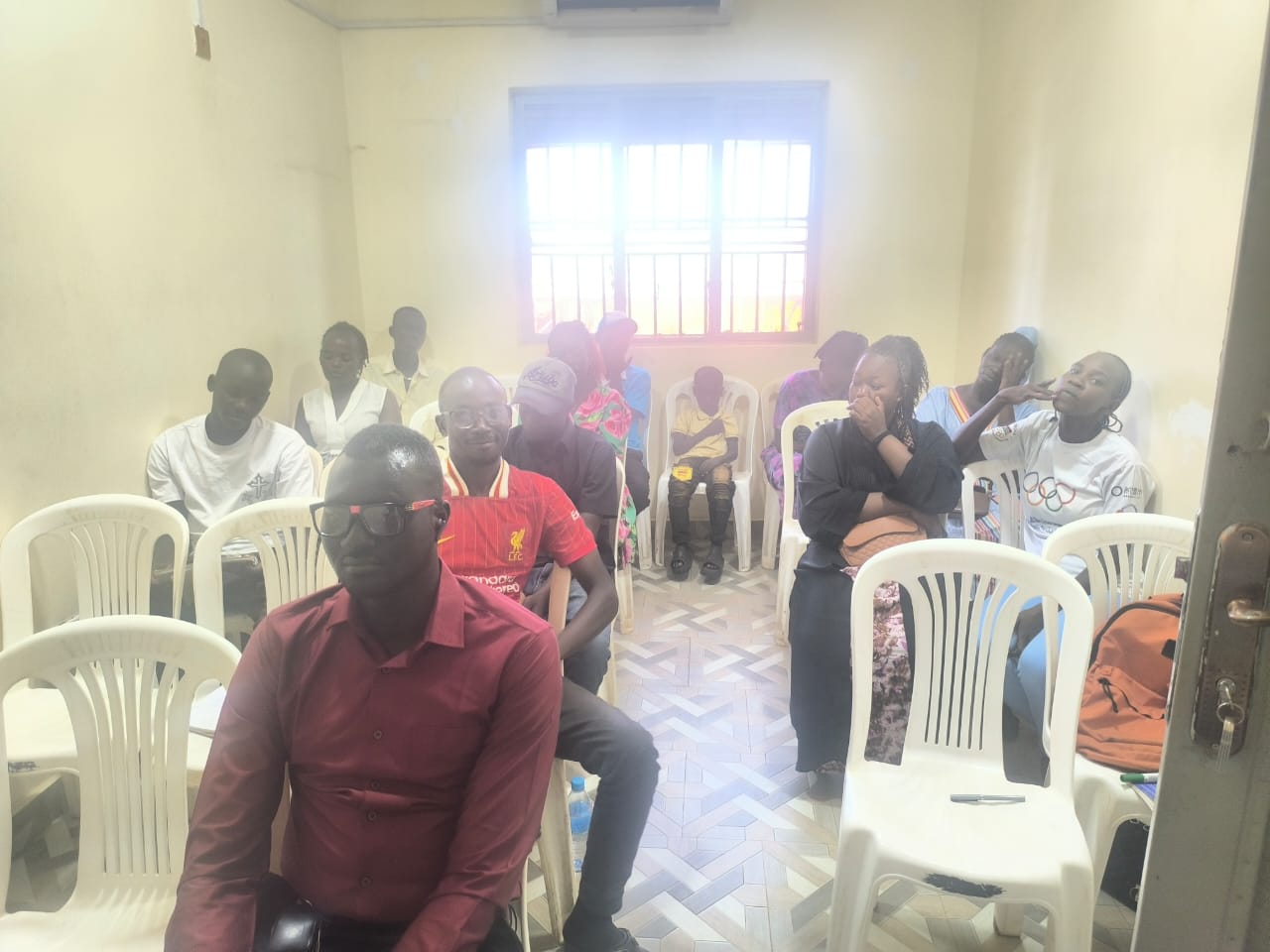
Our history
Established in 2021
ILA was created in recognition of the urgent need for accessible legal services and stronger justice institutions in South Sudan.
South Sudan continues to face significant legal and governance challenges arising from years of conflict, institutional limitations, poverty, displacement, inequality, and limited access to justice services.
ILA was established in response to the growing need for accessible legal services and stronger justice institutions in South Sudan. Since its establishment, the organization has been dedicated to addressing legal inequalities, promoting peaceful dispute resolution, empowering vulnerable communities through legal education, and supporting institutional reforms that strengthen democratic governance and the rule of law.
ILA was founded on the conviction that sustainable peace, national development, and social justice can only be achieved where justice is accessible to every citizen and public institutions uphold the rights and dignity of all people.
Our philosophy
Why legal empowerment matters
The Initiative for Legal Aid believes that justice is the foundation upon which peaceful societies, democratic governance, sustainable development, and human dignity are built. We believe that every human being is born with inherent rights and deserves equal protection before the law without discrimination.
We recognize that poverty, inequality, conflict, discrimination, weak institutions, and limited legal awareness continue to prevent many people from accessing justice. Consequently, ILA is committed to ensuring that legal services, legal knowledge, and justice institutions become accessible to everyone, particularly those who are vulnerable, marginalized, and historically excluded from formal justice systems.
Our approach
How ILA works
A comprehensive, rights-based, people-centred, community-driven and partnership-oriented approach to justice, human rights and democratic governance.
Human Rights-Based Programming
All programmes are grounded in internationally recognized human rights principles, ensuring equality, participation, accountability, transparency, non-discrimination, and respect for human dignity.
People-Centred Service Delivery
The needs, priorities, experiences, and aspirations of beneficiaries remain at the centre of programme design and implementation. We strive to deliver accessible, responsive, culturally appropriate, and high-quality services.
Community Participation and Ownership
Communities are active partners rather than passive beneficiaries. We promote inclusive participation by engaging women, youth, persons with disabilities, traditional leaders, and local authorities throughout the programme cycle.
Legal Empowerment
ILA equips individuals and communities with the legal knowledge, practical skills, and confidence needed to understand their rights, claim legal remedies, resolve disputes peacefully, and participate effectively in governance processes.
Institutional Strengthening
Recognizing that effective justice depends on strong institutions, we provide technical support, organizational development, governance strengthening, and capacity-building to justice institutions, civil society organizations, and community structures.
Strategic Partnerships
ILA believes that collaborative action generates greater impact than isolated efforts. We work closely with government institutions, development partners, civil society, academia, traditional authorities, and international organizations.
Who we serve
Target beneficiaries
ILA's programmes are intentionally designed for individuals and communities that face legal, social, economic or institutional barriers to accessing justice.
Women and Girls
Women and girls often face multiple forms of discrimination that limit their access to justice and opportunities. ILA provides legal assistance, protection, advocacy, civic education, and empowerment programmes that promote gender equality and prevent gender-based violence.
Children and Youth
ILA supports child protection initiatives, juvenile justice, legal education, youth leadership, civic engagement, and advocacy aimed at protecting children from abuse and exploitation.
Persons with Disabilities
ILA promotes equal access to justice for persons with disabilities by advocating for inclusive legal systems, removing barriers to participation, and ensuring that legal services and public information are accessible to all.
Internally Displaced Persons
ILA provides legal assistance relating to identity documentation, housing, land and property rights, family reunification, access to public services, and protection from exploitation.
Refugees and Returnees
ILA supports refugees and returnees through legal information, legal counselling, documentation assistance, dispute resolution, and rights awareness to facilitate safe reintegration and peaceful coexistence.
Survivors of Gender-Based Violence
The organization provides comprehensive legal support to survivors, including legal representation, referrals for medical and psychosocial support, protection services, and safety planning.
Conflict-Affected Communities
Communities affected by armed conflict, communal violence, and insecurity receive legal assistance, peacebuilding support, mediation services, reconciliation initiatives, and community resilience programmes.
Prisoners and Detainees
ILA works to protect the legal rights of individuals deprived of liberty by providing legal representation, legal counselling, prison legal aid clinics, monitoring detention conditions, and promoting fair trial rights.
ILA also serves
- Rural and Marginalized Communities
- Elderly Persons
- Civil Society Organizations
- Community-Based Organizations
- Human Rights Defenders
- Traditional Leaders
- Justice Sector Institutions
- Local Government Authorities
Sectors of intervention
Multidisciplinary programming across justice, governance and development
- Access to Justice and Legal Aid
- Human Rights Promotion and Protection
- Rule of Law and Justice Sector Strengthening
- Democratic Governance and Public Accountability
- Peacebuilding, Conflict Prevention, and Social Cohesion
- Women, Children, and Gender Justice
- Civic and Legal Education
- Legal Research, Policy Reform, and Advocacy
- Institutional Capacity Development
- Community Empowerment and Legal Awareness
- Alternative Dispute Resolution and Mediation
- Constitutionalism and Legal Reform
- Transitional Justice and Reconciliation
- Protection of Vulnerable and Marginalized Groups
- Organizational Development and Civil Society Strengthening
Work with ILA
Work with ILA
We welcome enquiries from government institutions, development partners, civil society organisations and academic institutions.